


Green Spaces And Grape County: Where Sustainability, Wellness & Community Thrive
What all components come under Green Spaces?
Green Spaces is guided by the philosophy of ‘Vasudhaiva Kutubakam’- the world is one family.We create innovative and sustainable concepts where human and nature can harmoniously co-exist, making positive impact and fostering a greener and more sustainable future for everyone.
Green Spaces offerings include eco-living,eco-retreats, eco-consult & eco-farms. Green Spaces eco-living offerings include sustainable home projects that are energy efficient, self-sufficient and in connection with nature. The company offers eco-retreats with a focus on luxury and sustainability, where green experiences can be felt. Organic farming is a core component of Green Spaces, as local heritage farms and tribal farmers are reinstated to their traditional agricultural practices and restored heritage crops are again fed back into local food systems. Also provided are environmental consultancy services drawing from the company’s knowledge of biodiversity conservation, urban ecology, climate change mitigation, and renewable energy solutions.
Green Spaces offers end-to-end services from land identification; legal due diligence; design; estate management, in a manner that is sustainable over time.
What are the expansion plans of Green Spaces?
Green Spaces is currently expanding to accommodate the rapid demand for sustainable living in strategic locations of Nashik, Vaitarna, Igatpuri, Mhasurli, and Waldevi. This expansion focuses on adding more community living projects and luxury eco-retreats that align with the company’s principle of environmental harmony. Future projects will innovate further with the use of renewable energy, water conservation, and waste management technologies that will help enhance their self-sufficiency and drastically diminish their carbon footprints. With the added development of properties, Green Spaces also wishes to grow their organic farming and thus continue to build local food biodiversity and support these tribal farmers. Green Spaces also anticipates the establishment of more eco-tourism destinations in the hopes of creating responsible tourism and economic vehicles for local people.
What are your views on eco and wellness tourism?
Eco and wellness tourism offer a pathway toward a responsible future of travel. Both forms of tourism account for an enhanced focus on sustainability and holistic well-being. They promote making meaningful connections with nature and culture, while creating opportunities for experiences, which can regenerate ecosystems and enrich mind-body health.
Eco and wellness tourism promote local economic benefits through employment and preservation of traditional practices. At Green Spaces and Grape County, eco and wellness tourism is a market opportunity for developing a luxury hospitality standard, where immersive green tourism experiences and wellness offerings, such as organic food and mindfulness practices, combine together. These two tourism sectors provide a response to a growing global demand for authentic, sustainable, and health-conscious choices in travel, while positioning India as a leader in eco-centred travel. The growth and expansion of eco and wellness tourism will generate income to fund conservation initiatives, aid the empowerment of communities, and transform tourism into a provider of positive environmental and social change.
How do you ensure that the local communities are involved in Green Spaces and Grape County?
The development of a local community is at the forefront of Green Spaces and Grape County’s principles. Both organizations are achieving this goal by providing employment opportunities, collaborating with community artisans and vendors, and implementing sustainable farming practices with tribal farmers. These opportunities simultaneously contribute to the economic development and preservation of local cultures.
At Grape County Eco Resort & Spa, we have launched a souvineer shop by the name, “ The GC collective. We let local tribal villagers and artisans stock their product and help them a fair price for their goods.
70% of the resorts staff has been recruited by nearby villages. We train them, teach them basic hospitality skills and provide them with a better means of livelihood. We also hire local dance, drama and singing troupes to showcase the regions unqiue art forms as entertainment at the resort. We also host a farmers market at the resort to provide a big platform to local tribal villagers and small
Sourcing from local vendors creates new opportunities to improve skills, develop pride, and encourage ownership within local communities. Educational and awareness raising initiatives support critical community involvement in conservation and sustainability efforts. Eco-retreats, eco-tourism and the sustainment of local indigenous knowledge and cultural heritage are values we build into our tourism models to ensure the benefits of tourism flow directly into local communities. A systems-thinking approach connects project development directly with the well-being of local communities.
According to you, how can the government help to accelerate sustainable projects in India so that it becomes affordable for all?
Government involvement is important to make sustainable projects scalable and affordable across the country. A supporting policy framework providing a mix of incentives such as subsidies, low-interest green financing, rebates, and tax breaks readjusts an affordable price range for a project for buyers and builders alike.
Working together with crowdsourcing ideas and programs with other government investing existing agencies, NGOs, private investors, and agencies to learn and challenge cost will create better sustainability and build connecting between agency programs. Sustainability is a complicated process but essential to democratizing green homes, eco-tourism, and organic farming to lifestyles disregarding how sustainable can equal cost-effective, environmentally-friendly, and practical living for a wider set of people.
What hospitality trends do you believe will define the next decade of eco and wellness travel in India?
The next decade of eco and wellness travel will be characterized by sustainability, personalization, and authentic cultural experiences. Carbon neutrality and regenerative tourism practices are becoming mainstream practices, alongside a move towards zero waste, responsible water use, and circular economy principles. Wellness offerings will move beyond just physical well-being to include experiences that focus on the whole self (mind-body-spirit) within nature. Technology will integrate smart energy management and personalized service while addressing environmental concerns. Demand will increase for community tourism that supports local artisans, farmers, and cultural preservation projects. Travelers will seek to prioritize immersive, experience-led travel that combines luxury with sustainability. Green Spaces and Grape County are poised to respond to these trends by creating innovative, community-facing projects that promote eco-travel across India.
About Tejas Chavan-
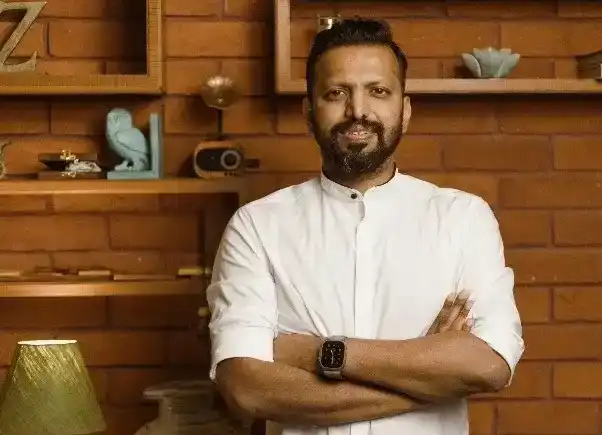
Tejas Chavan, the man behind Green Spaces is well-known for his humanitarian efforts in the Nashik circle. Tejas holds the position of Managing Director at Green Spaces which specializes in farmhouses and weekend homes. He being a multifaceted person who is a nature lover, a social activist, an animal rescuer and an adventure enthusiast. As a child, Tejas has won innumerable medals for swimming at national and state level and has brought laurels to the city. He is also the founder of ‘Eco-Drive Youngsters’ an organization that encourages youngsters to contribute towards the environment. The activities include donating clothes, cleanliness drive, orphanage visits and educational activities. Apart from this, Tejas has invested his time and efforts in forming NGOs like ‘Eco-pedlars’ for promoting cycling as way of life and ‘Hausla’ which works towards betterment of physically and mentally challenged kids. This initiative has gained wide recognition and appreciation. Currently, Hausla has more than 100 dedicated volunteers.