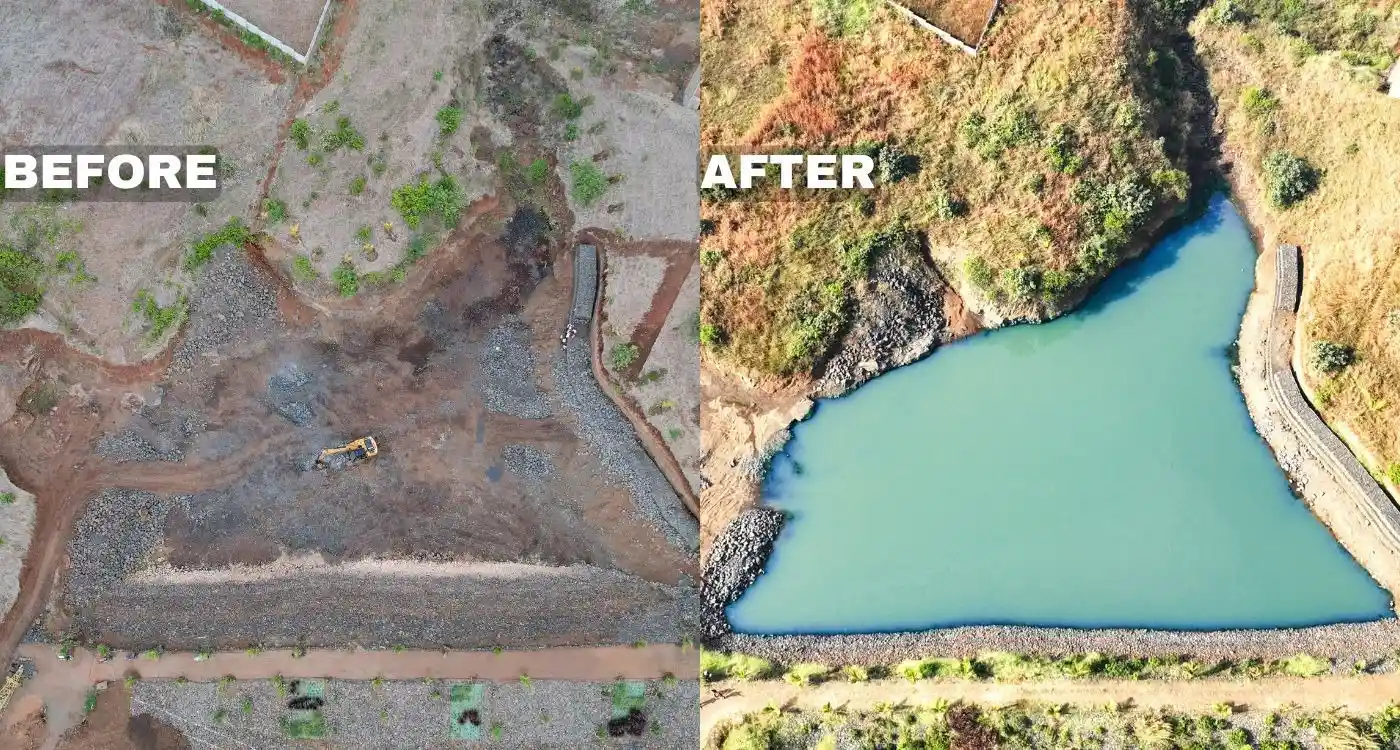
What if a resort could be more than a place to stay? What if the land beneath it had a story of its own?
Long before there were villas, walking trails, outdoor experiences and dining spaces, there was simply land, with the potential to become something more.
Today, Grape County sits within a 300-acre biodiversity park in Nashik, with the resort itself spread across 20 acres. What makes it special isn’t its size or the experiences on offer. It’s the transformation behind it: the journey from barren land to a living ecosystem where trees, birds, insects and people coexist. This is the story of how Grape County became more than an eco resort in Nashik. It became a destination shaped by nature.
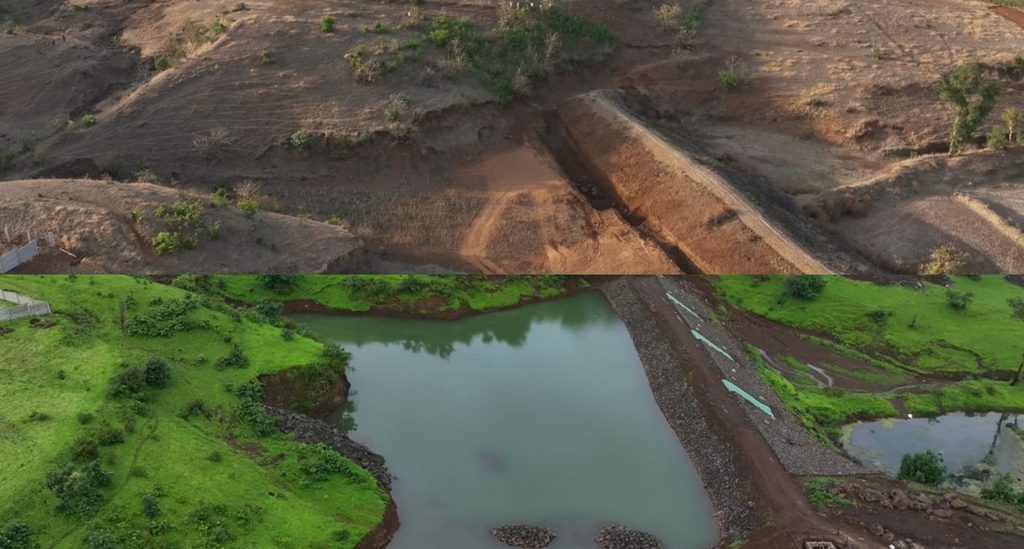
It started with barren land
Walking through Grape County today, it’s easy to assume the greenery has always been here. It hasn’t. The land was once barren, with no mature trees for shade, no established habitat for birds and no thriving ecosystem waiting to be explored.
Creating something meaningful from that kind of start takes more than landscaping. It takes patience, an understanding of the land, and a willingness to let nature be part of the vision from the beginning rather than something added afterwards. That became the foundation of Grape County.
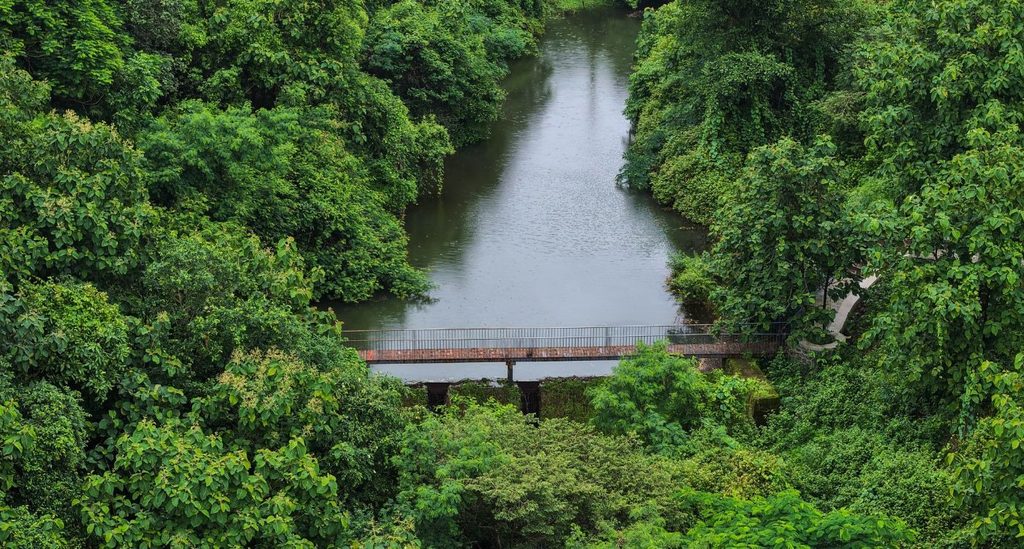
The idea was bigger than a resort
Building a resort is one thing. Creating an environment where nature can thrive alongside hospitality is another. Grape County was developed as part of a larger 300-acre biodiversity park, with the resort occupying 20 acres within it.
That distinction matters. The aim wasn’t a resort that simply looks green. It was a destination where guests experience the landscape as an integral part of their stay, where the experience goes beyond architecture and accommodation and the land itself becomes part of the destination.
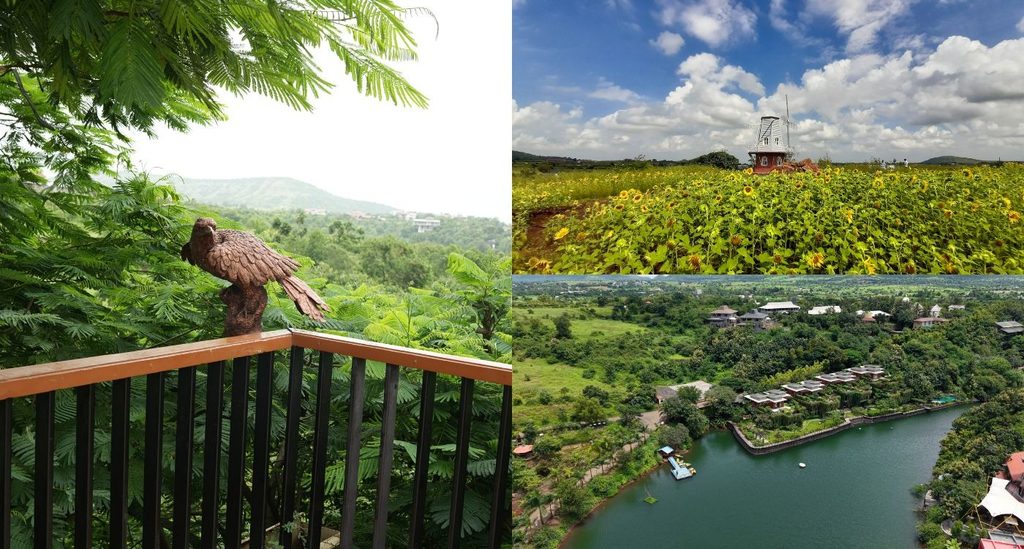
When trees become more than landscaping
At a conventional property, greenery can be treated as decoration. At Grape County, the natural environment plays a much bigger role. As the landscape developed, trees and vegetation laid the groundwork for a more diverse habitat, and a maturing landscape starts to attract life. Birds find places to feed and rest. Insects join the ecosystem. Small creatures move through the vegetation, and different species begin to interact.
Slowly, what began as an effort to restore a landscape started to function as an ecosystem of its own. That’s why the biodiversity park in Nashik is such an important part of the Grape County story. The greenery isn’t just something guests look at. It’s alive.
A home for birds
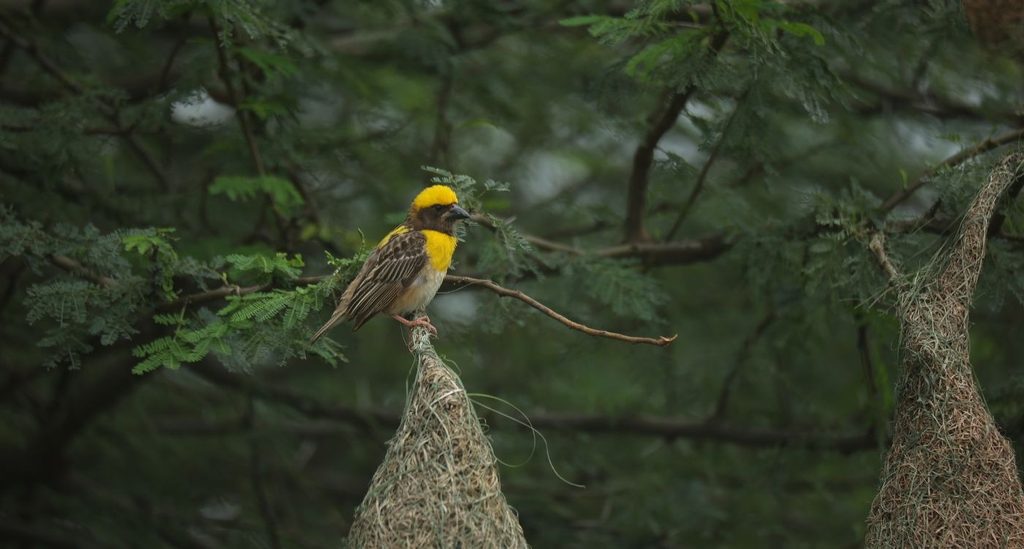
One of the clearest signs of a healthy natural environment is birdlife. Grape County is home to more than 52 bird species, so bird watching and nature observation are part of a stay here.
For someone arriving from a busy city, that can be surprisingly memorable. You don’t need a complicated itinerary, just a little attention. A morning walk can turn into a chance to identify new birds, a quiet moment outdoors can bring an unexpected wildlife encounter, and a nature trail gets more interesting once you start noticing small details. This is where eco tourism in Nashik becomes more than a travel trend. It becomes a way to experience a place through its natural environment.
The ecosystem is bigger than what you see
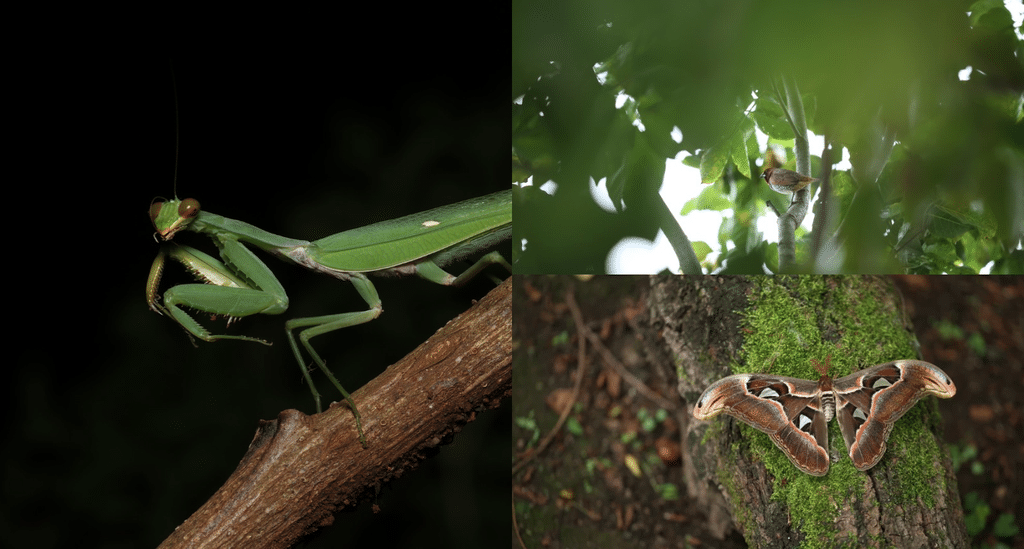
Biodiversity isn’t only about large trees or colourful birds. It lives in the details: insects that pollinate plants, organisms that keep soil healthy, plants that offer shelter, birds that carry seeds across the landscape. Every part plays a role.
That’s why nature at Grape County isn’t designed to be perfectly controlled or predictable. A living ecosystem keeps changing. The landscape looks different across seasons, bird activity shifts, plants grow, flowers appear, insects come and go. Every visit can reveal something new.
Nature became part of the guest experience
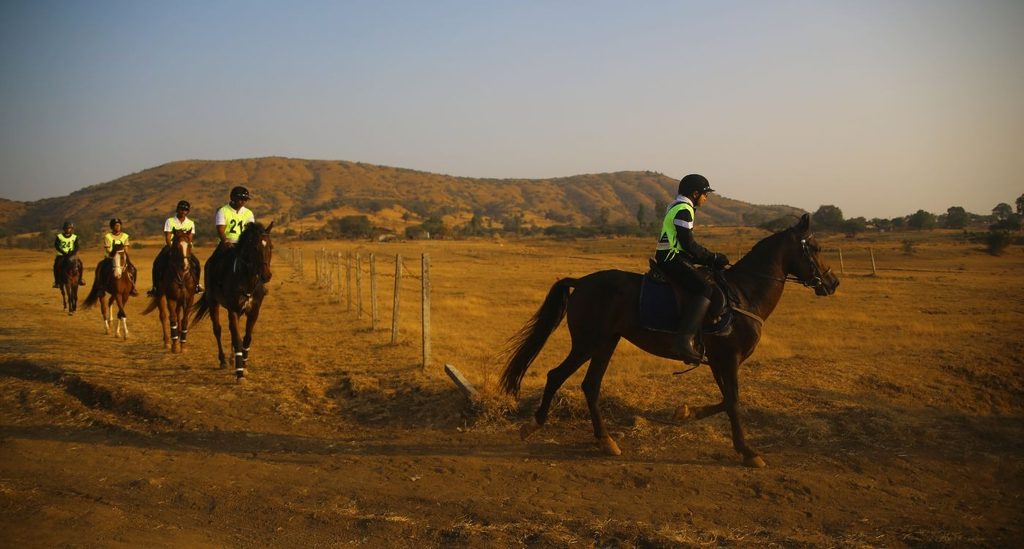
The transformation of the land changed how guests experience the resort. Nature isn’t separate from it. It’s woven in. Guests can take guided nature trails, observe birds and discover the biodiversity around them, while cycling, kayaking, boating, horse riding and trekking offer other ways to experience the landscape.
That’s what makes Grape County more than a conventional nature resort in Nashik. The natural environment isn’t just the backdrop for the activities. It’s part of them.
A different kind of luxury
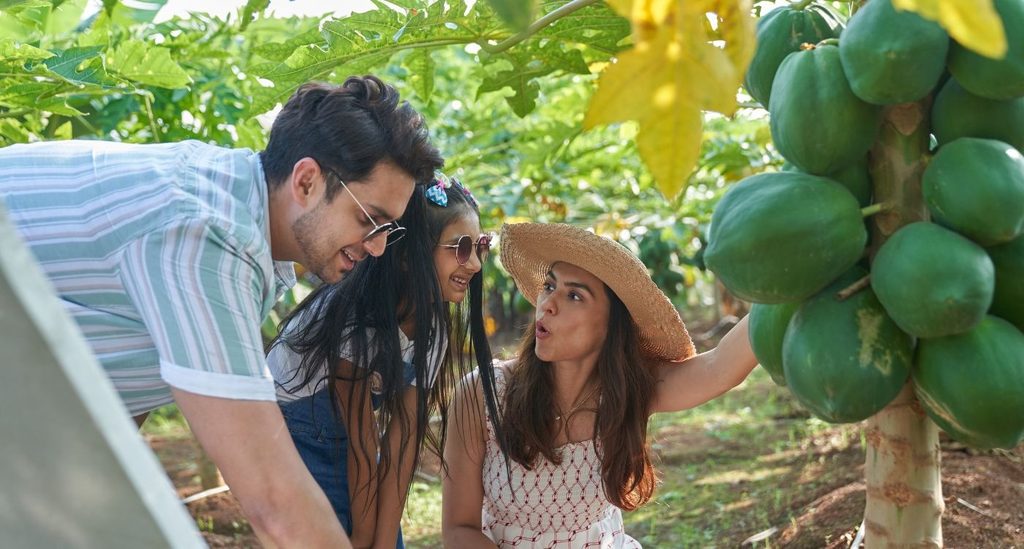
Luxury is often linked with architecture, interiors and service. But in a crowded, connected world, another kind becomes increasingly valuable: space, silence, fresh air, green surroundings, time outdoors, and the ability to slow down without giving up comfort. For many travellers, especially those from Mumbai and other busy cities, that can matter as much as any traditional amenity.
This is where the idea of a sustainable resort in Nashik becomes meaningful. Sustainability isn’t only about a particular material or a green label. It’s also about building a relationship between hospitality and the environment around it.
A destination that gives nature time
Perhaps the most important part of the story is that none of this happened overnight. You can’t create a mature ecosystem instantly. Trees need time to grow, habitats need time to develop, wildlife needs time to return, and a landscape needs time to become self-sustaining.
That makes Grape County fundamentally different from a new resort surrounded by greenery. It’s a story of transformation, and transformation takes patience.
What guests can take away
You don’t have to be an environmentalist to appreciate what’s happened here. You just have to walk through the property. Watch birds move between trees, notice insects you’d normally ignore, take a nature trail, cycle through the landscape, sit quietly for a few minutes. The experience encourages you to notice the environment rather than simply pass through it. That may be one of the most valuable things a destination can offer: not just an escape from the city, but a reminder of the world outside it.
From barren land to a living destination
The story of Grape County isn’t really about barren land turning green. It’s about what happens when you give land the chance to come alive again. What began as barren terrain is now part of a 300-acre biodiversity landscape, with Grape County occupying 20 acres within it.
Today the destination brings together hospitality, adventure, dining and nature, but underneath all of it is something more fundamental: the land, the trees, the birds, the insects, the changing seasons, the ecosystem. When you arrive, you’re not just entering a resort. You’re entering a landscape that has been given the time and space to become something living.
Grape County wasn’t simply built in nature. It became part of it.